
Tree planting
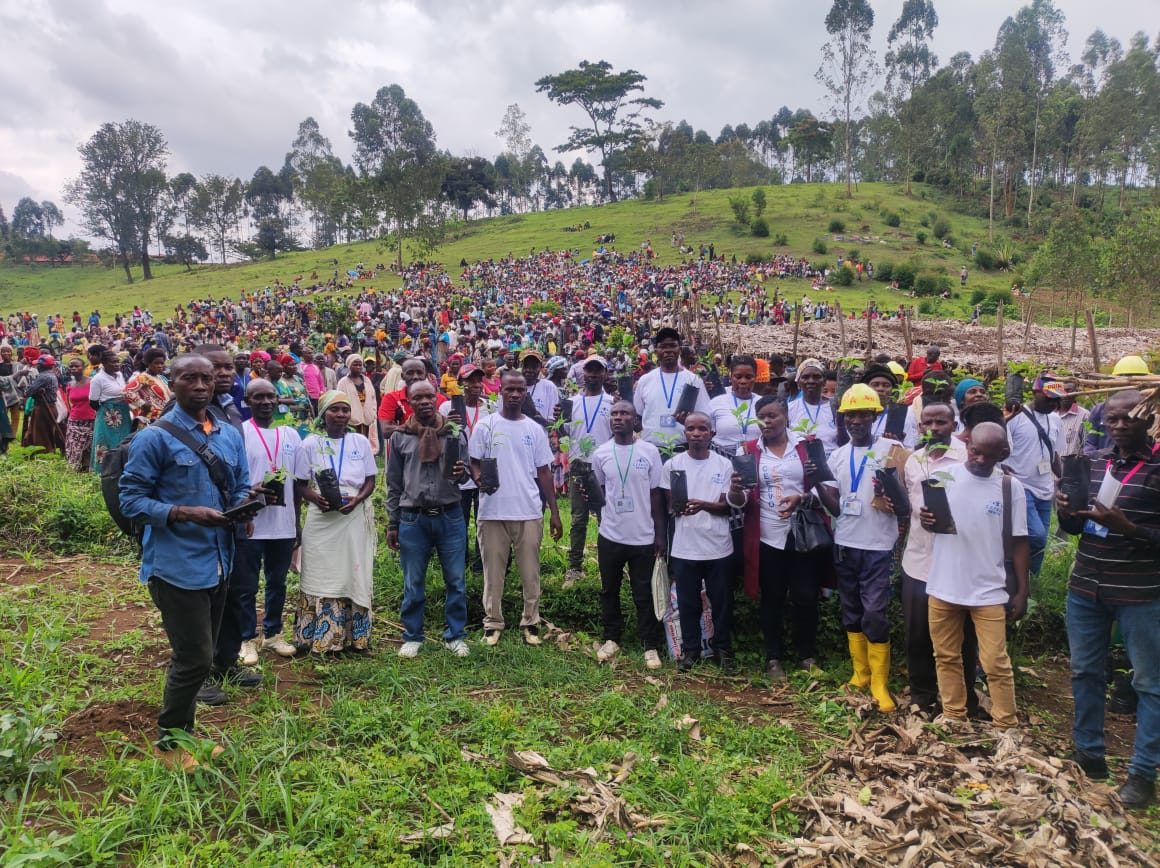
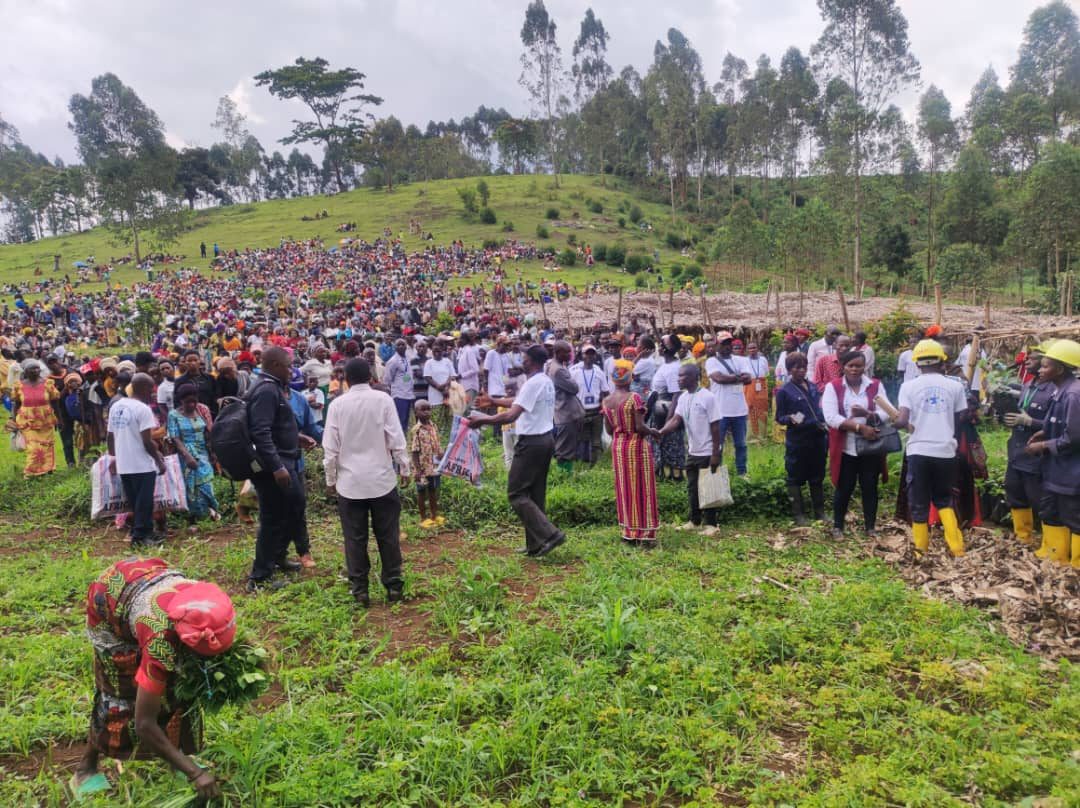
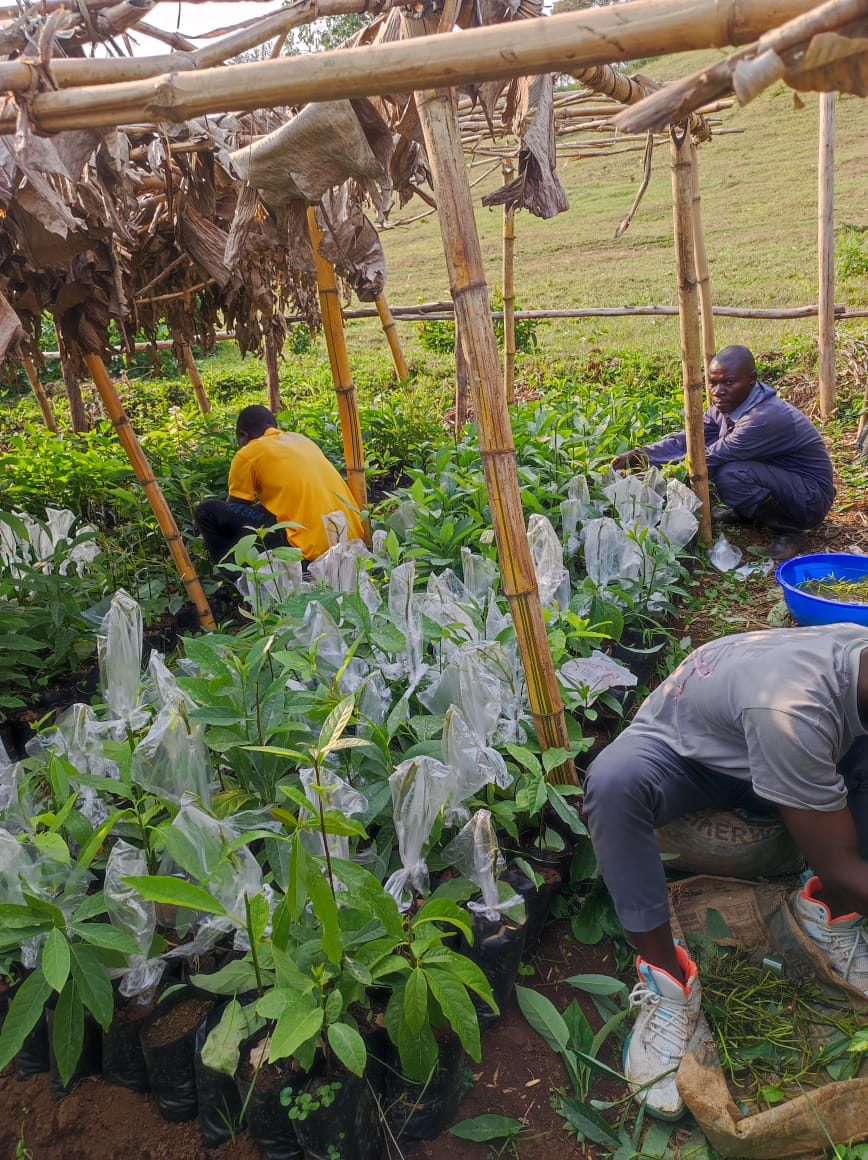
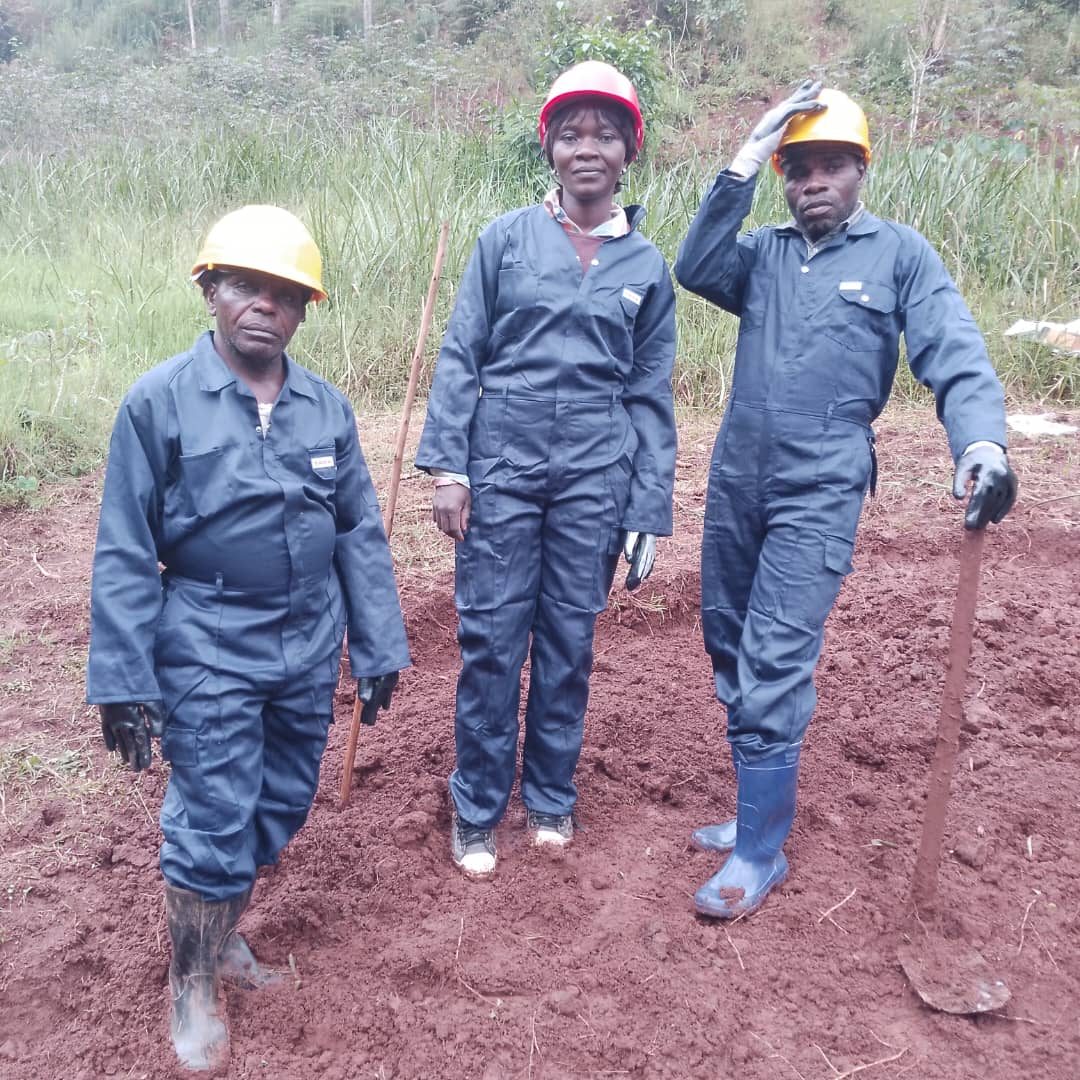
Hillside planting and a shaded seedling nursery, from the conservation photographs.
Impact partner
Tree planting, small livestock, a Bukavu barter depot, youth paver training, and an INERA-Mulungu soil report for the Kajeje concession. Photographs are from RDI’s own program folders.
Conservation, livelihoods, and soil
Conservation programs including tree planting, regenerative farming, soil remediation, habitat restoration, and community clean-ups.
Rescue Democracy International’s public site describes conservation work: tree planting, regenerative farming, soil remediation, habitat restoration, and community clean-ups. The office it publishes is in San Diego.
The photographs and films on this page are from RDI program folders — Bukavu and Goma in the Democratic Republic of the Congo, plus one youth-leadership film identified on screen as Uganda. Duplicate frames and a blurry selfie were left out. Captions name only what is printed on a banner or visible in the frame.
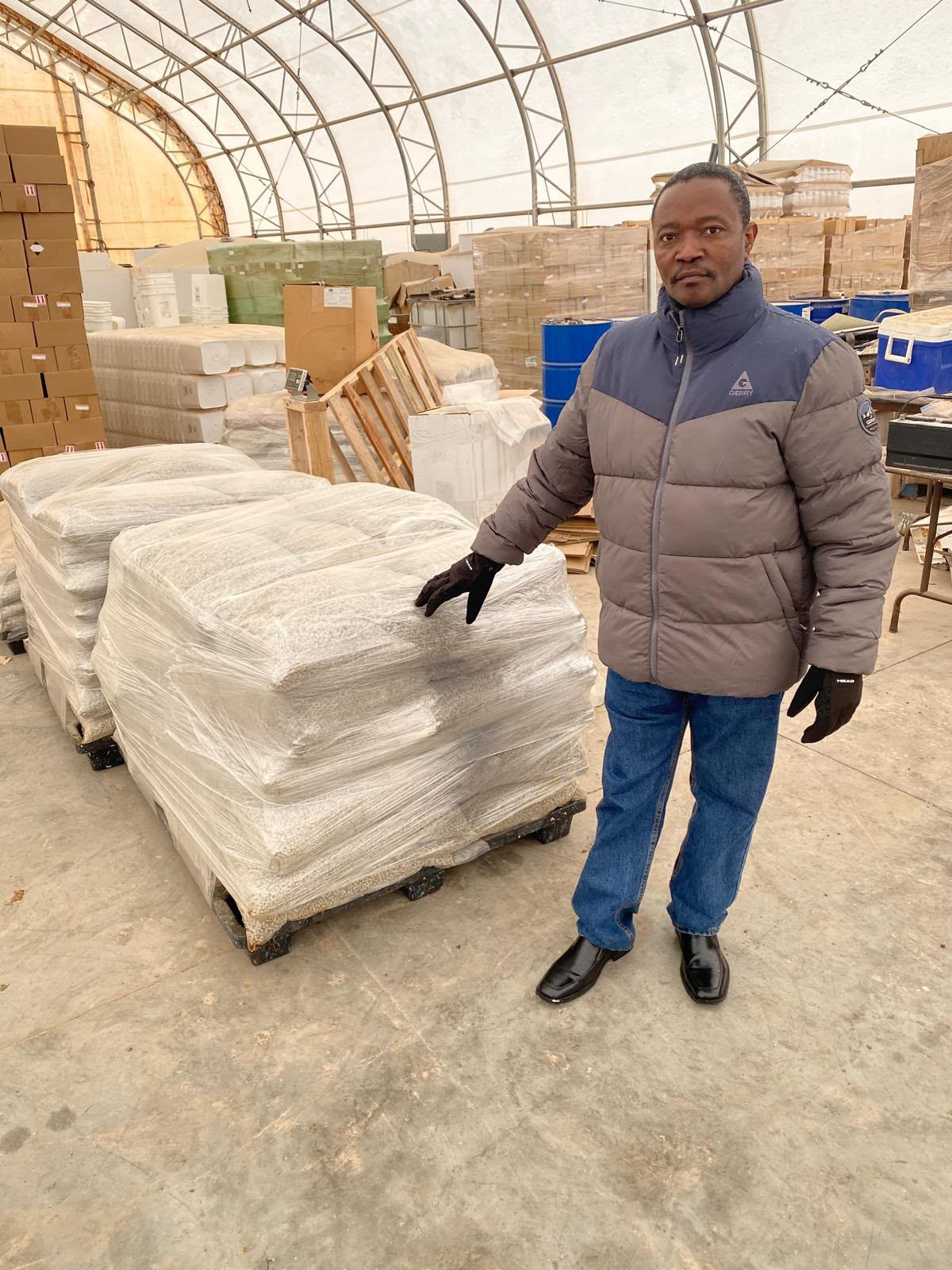
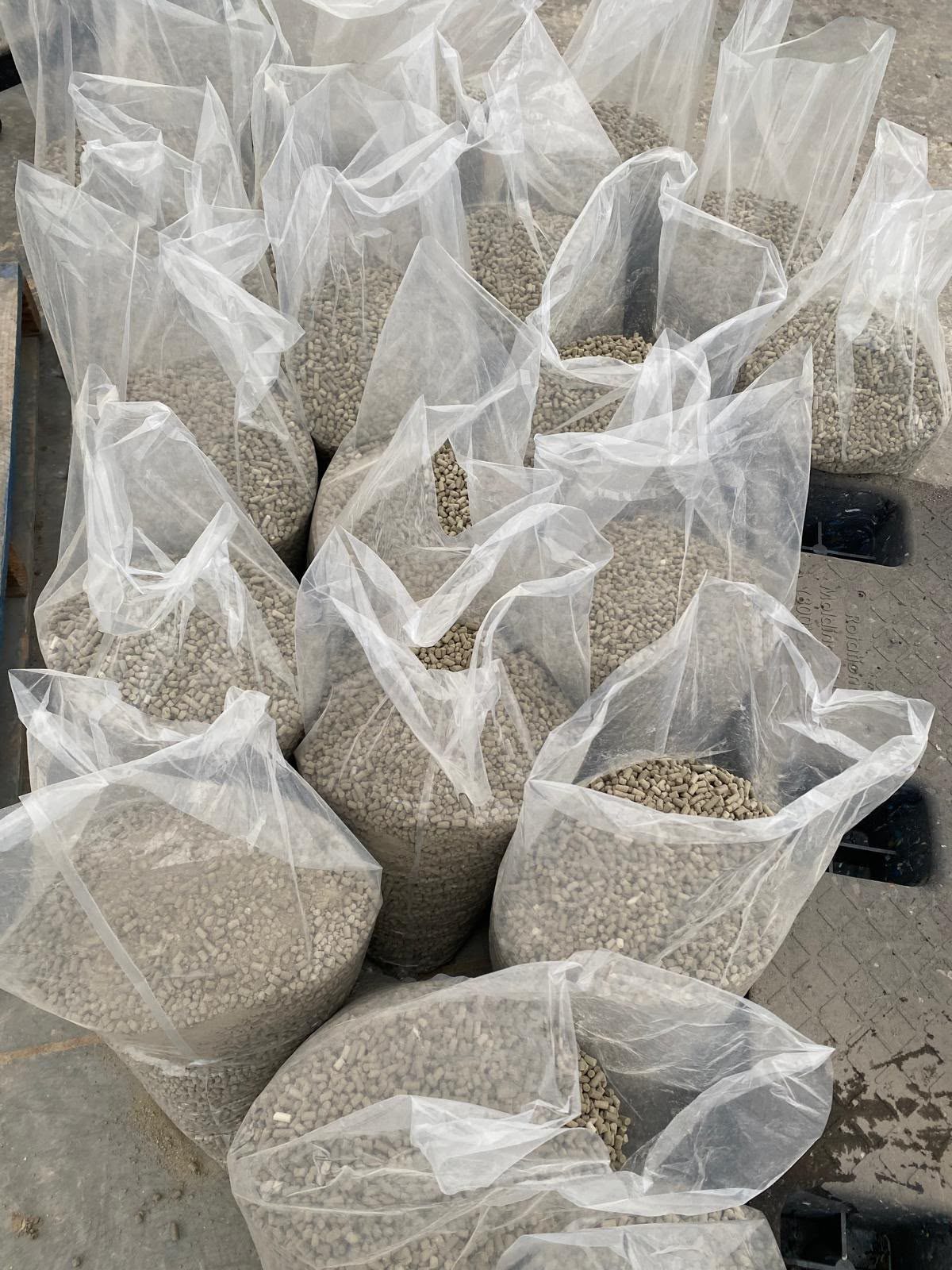
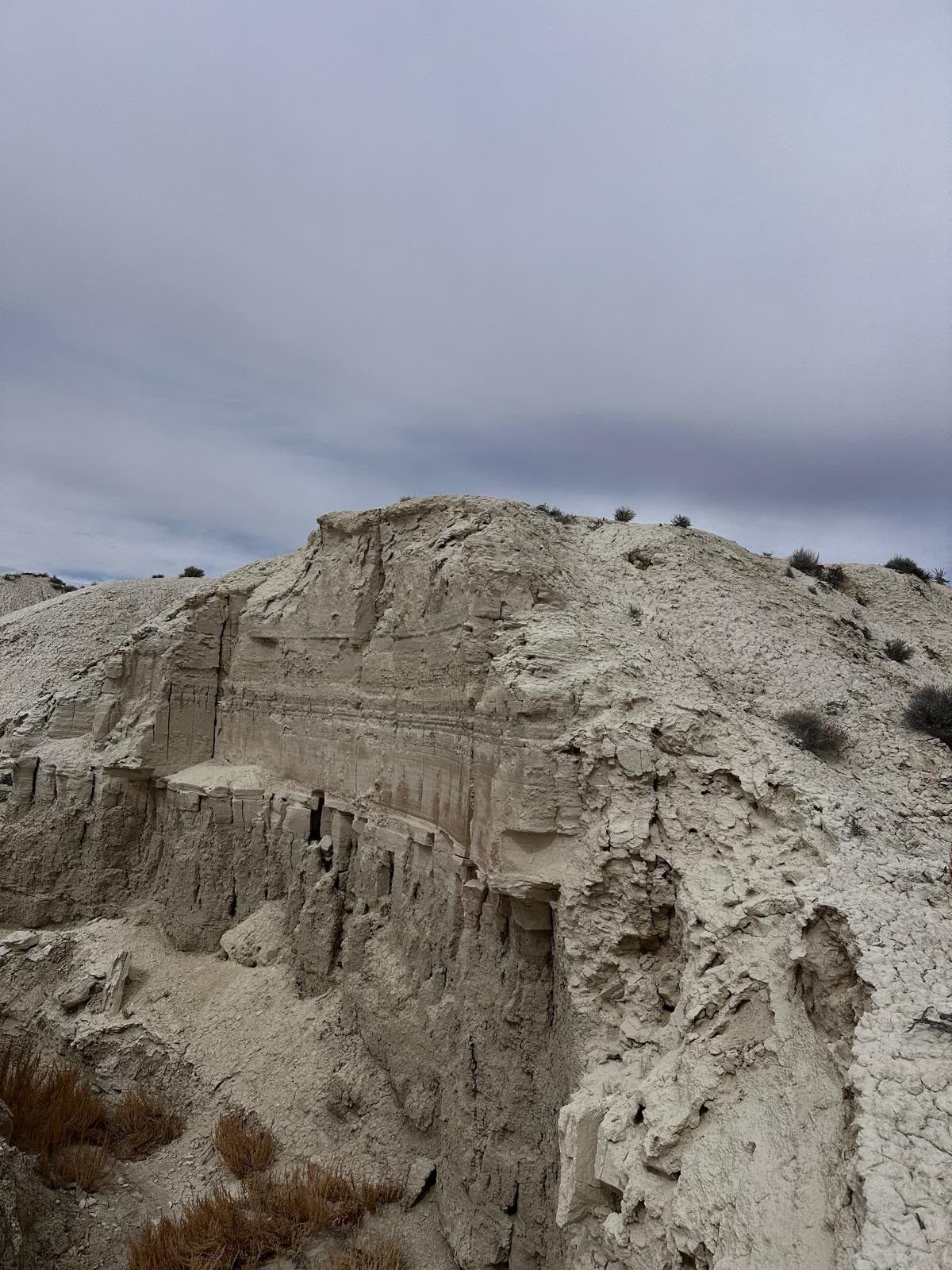
Related-use mineral amendments can support the farming and restoration work they publish. The pellet photographs are warehouse stock and the pale source bed, not a picture of the Kajeje concession. The soil report is the laboratory document, not a yield trial.
Public-site sentences are marked as such. Field captions follow the banners and the frames. The soil section follows the INERA-Mulungu report.
Kabare, South Kivu
Kajeje concession in the 2024 soil report
INERA-Mulungu
Report signed 17 September 2024
rescuedemocracyintl.org
Public site
On the ground
Hillside planting and a shaded seedling nursery, from the conservation photographs.
Rabbit keeping. The conservation film says a herd had grown to fifty.
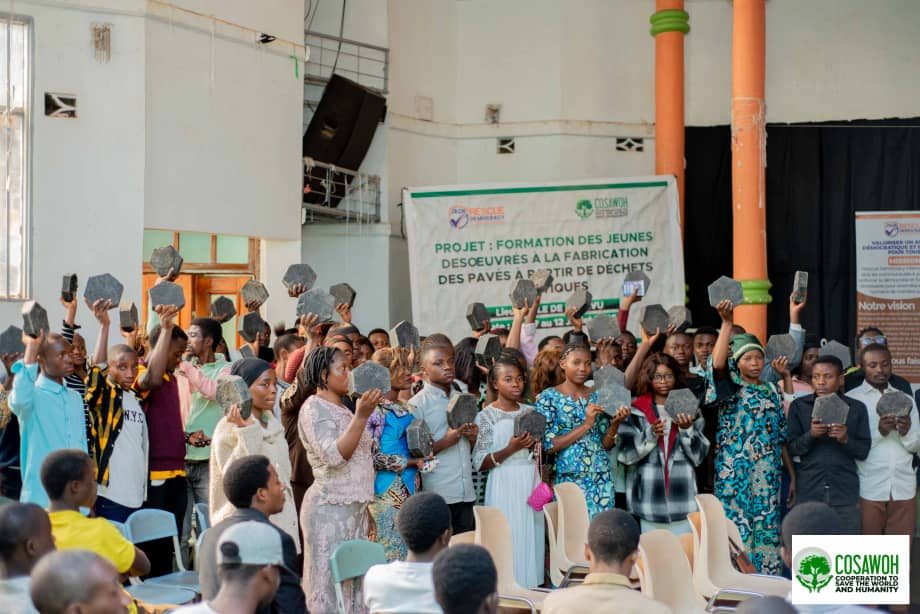
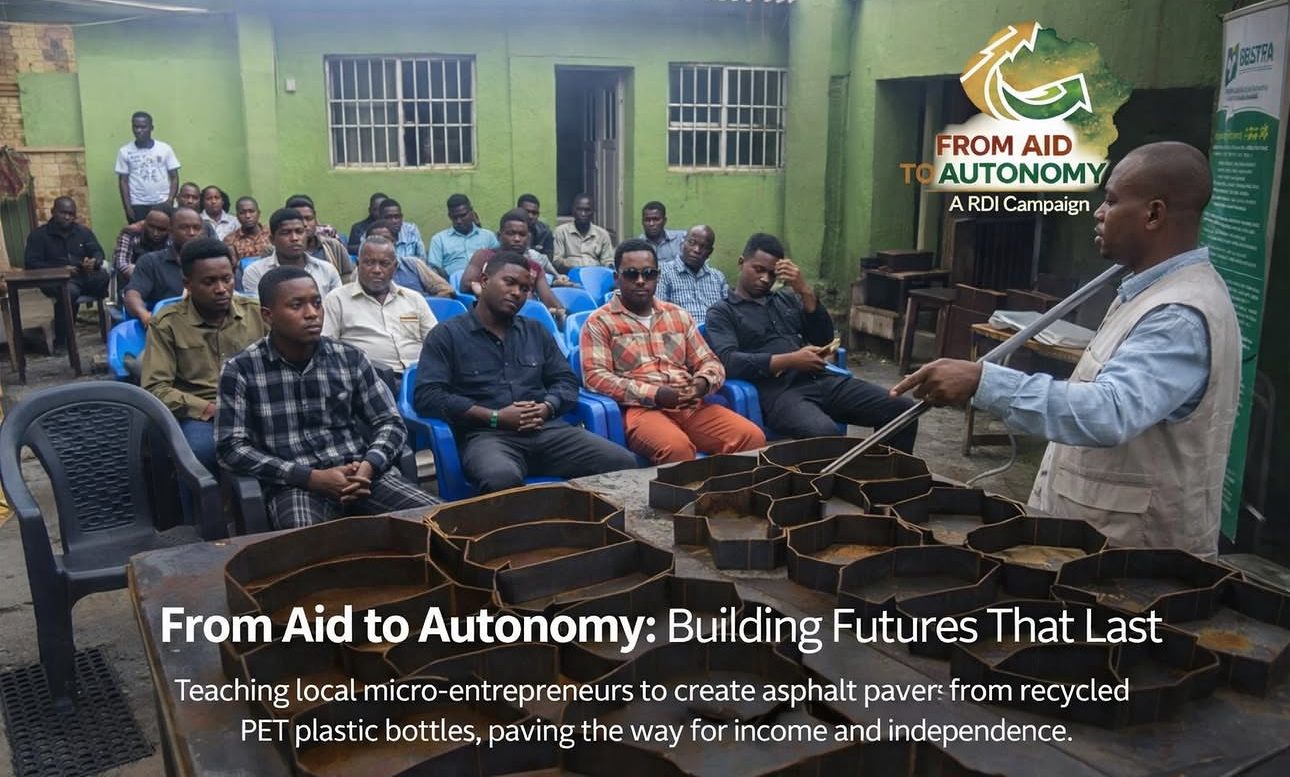
Youth training in Bukavu — Ibanda, Bagira, and Kadutu — molding pavers from plastic waste with COSAWOH.
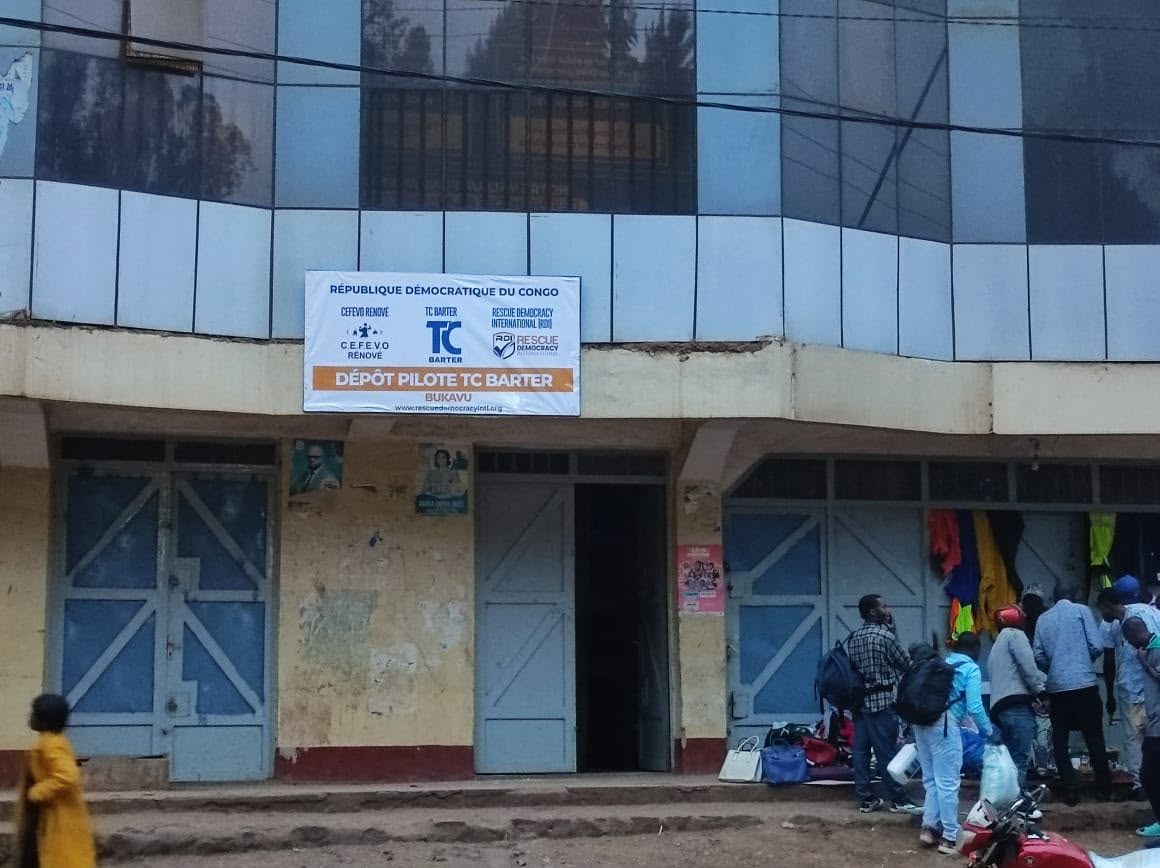
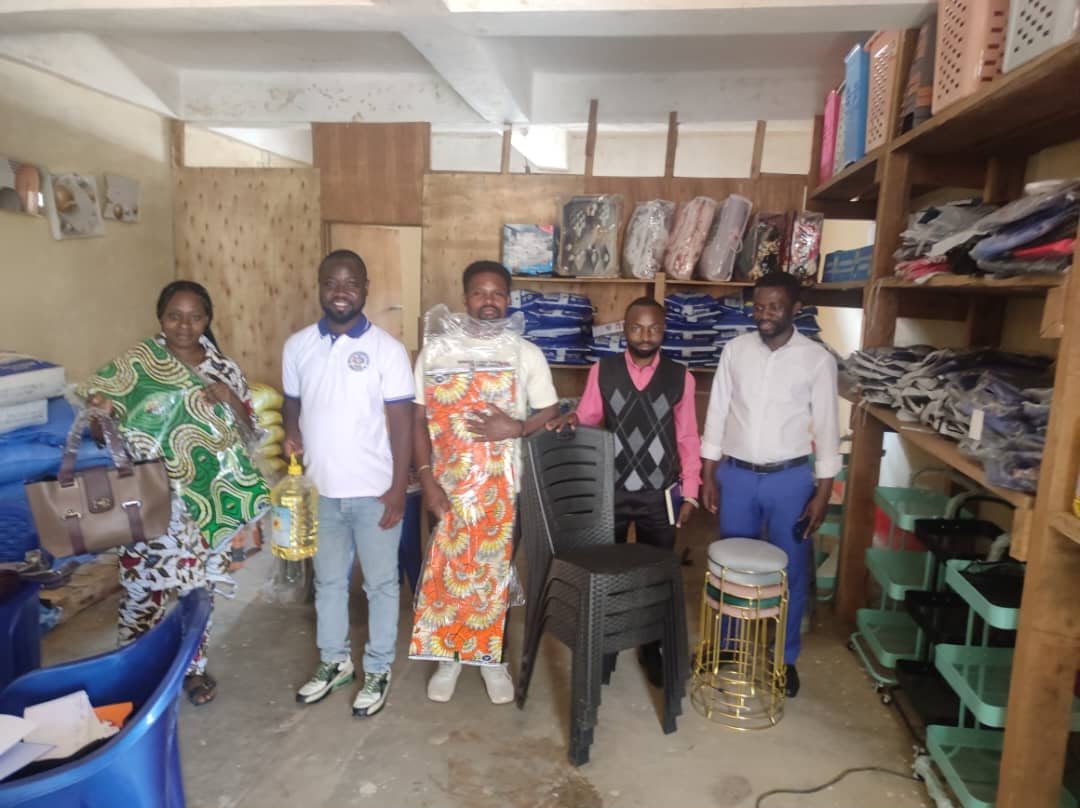
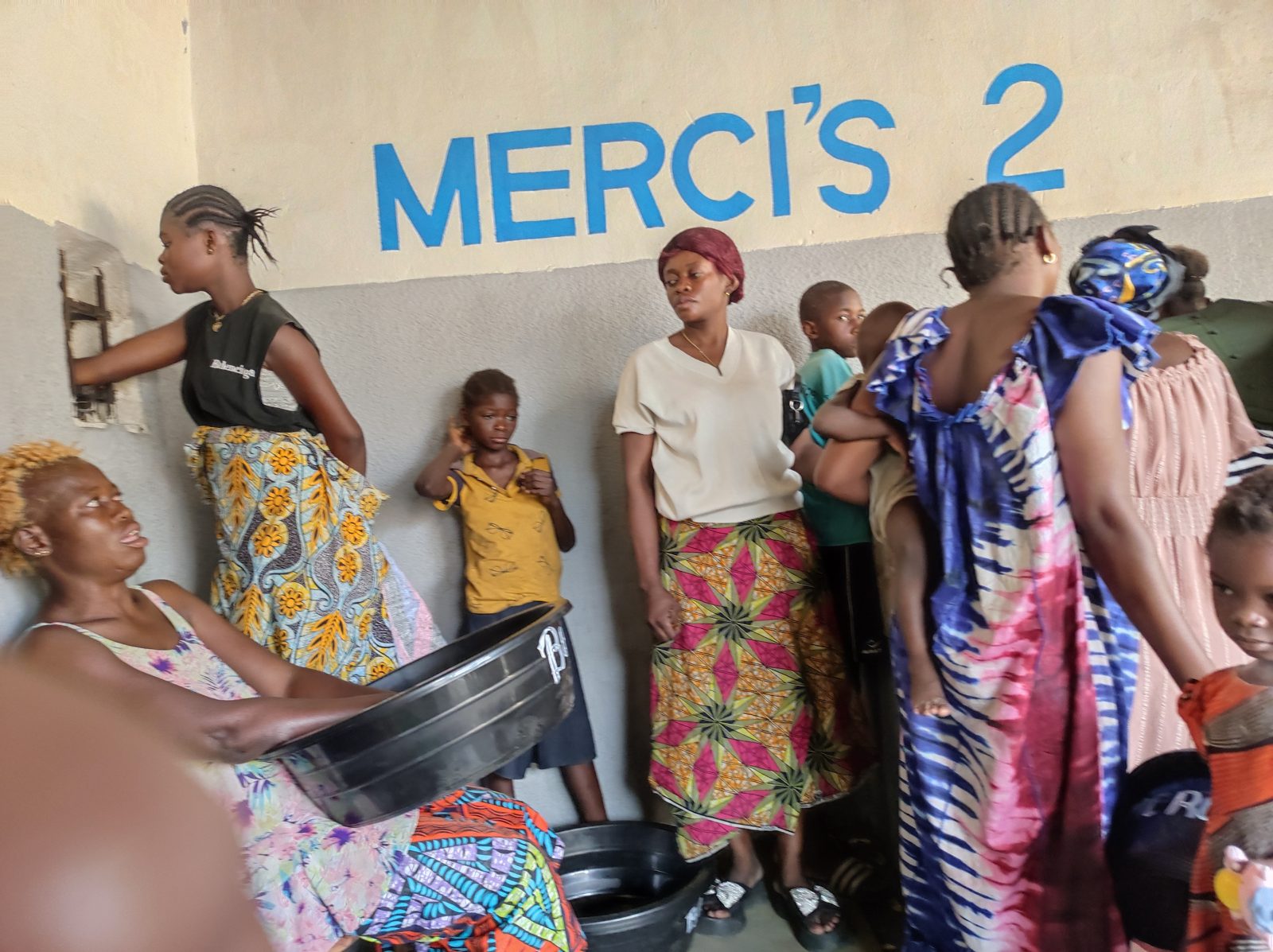
A pilot depot in Bukavu signed by RDI, TC Barter, and CEFEVO Renové.
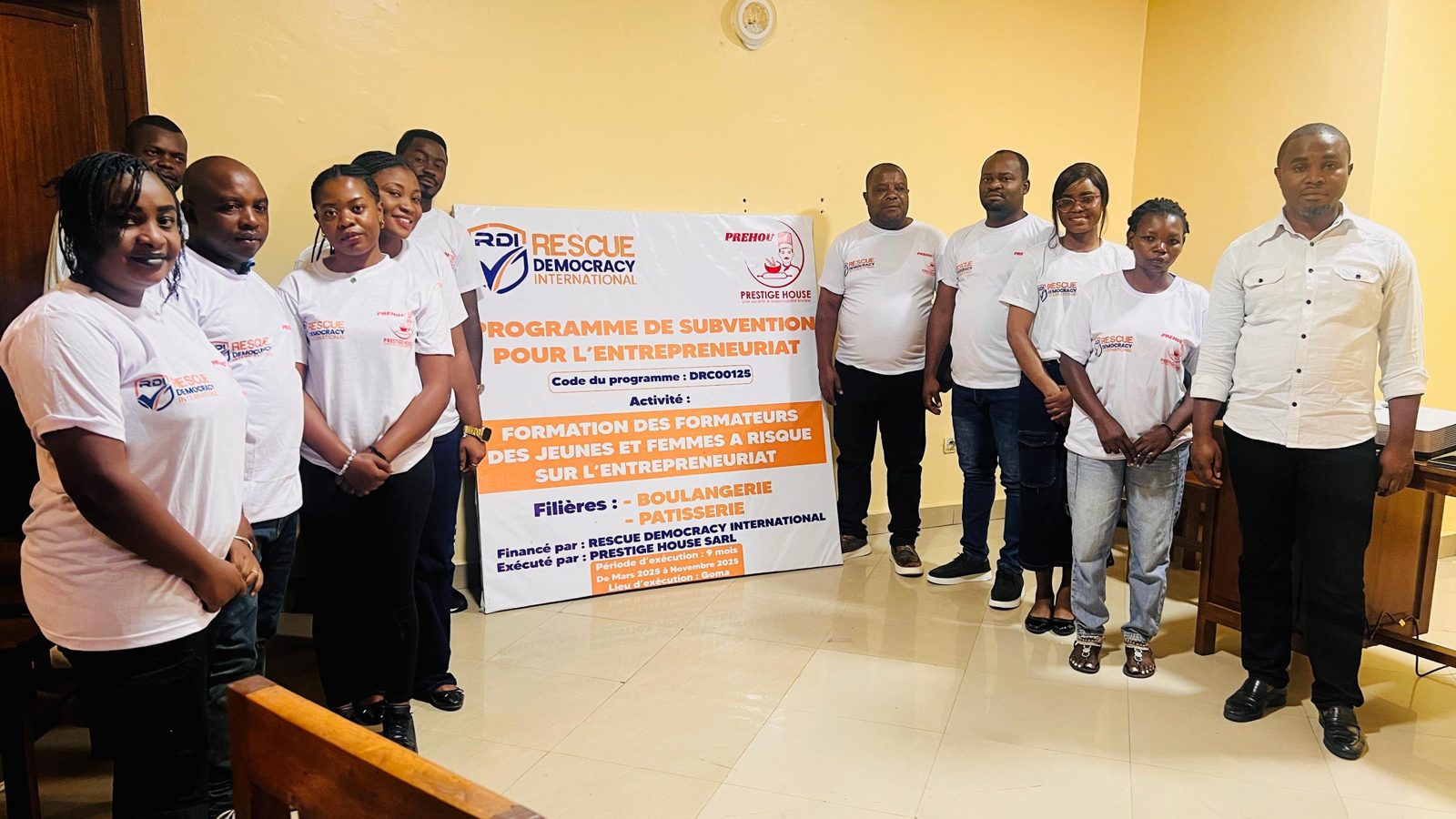
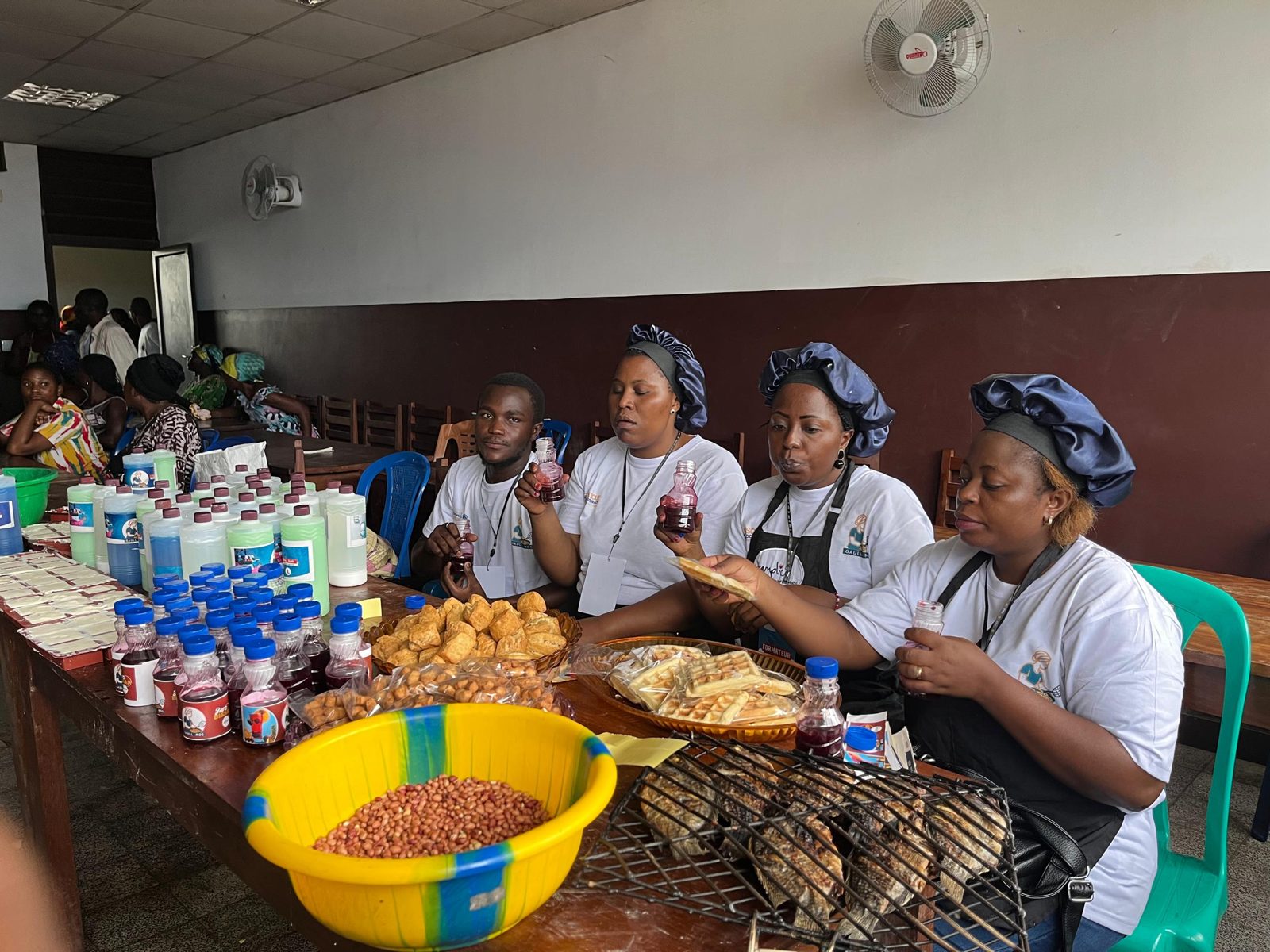
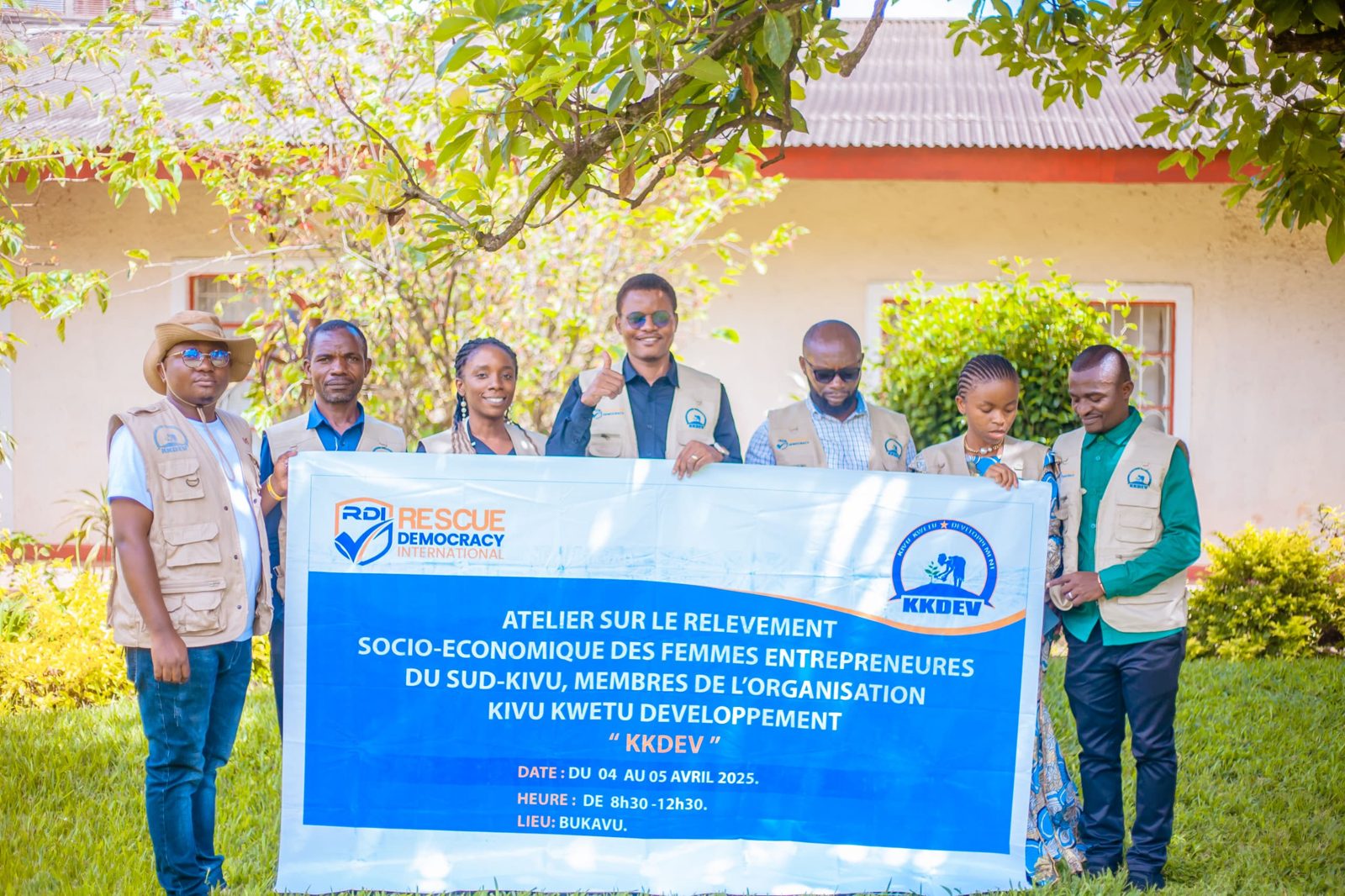
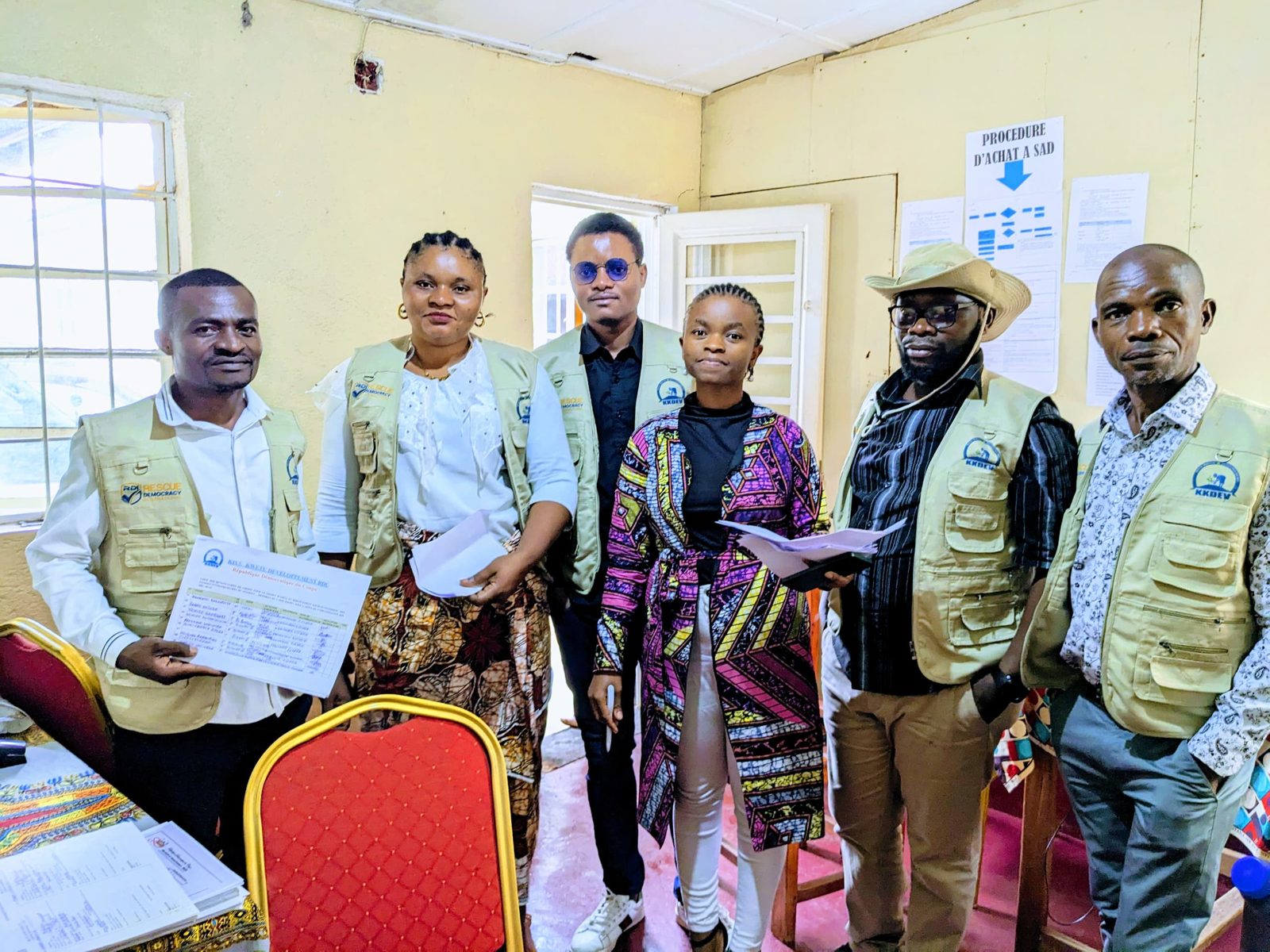
Goma bakery and pastry trainers, March–November 2025 (DRC00125), and a Bukavu workshop with Kivu Kwetu Développement, 4–5 April 2025.
INERA-Mulungu analyzed 18 composite samples across 36 hectares. The ground is strongly acid. The lab recommends lime, organic matter, and phosphorus — not a finished fertilizer recipe from Utah Seabed.
Field photographs
A hillside planting day and a bamboo-shade nursery.
Field photographs
Rabbits kept alongside the conservation work.
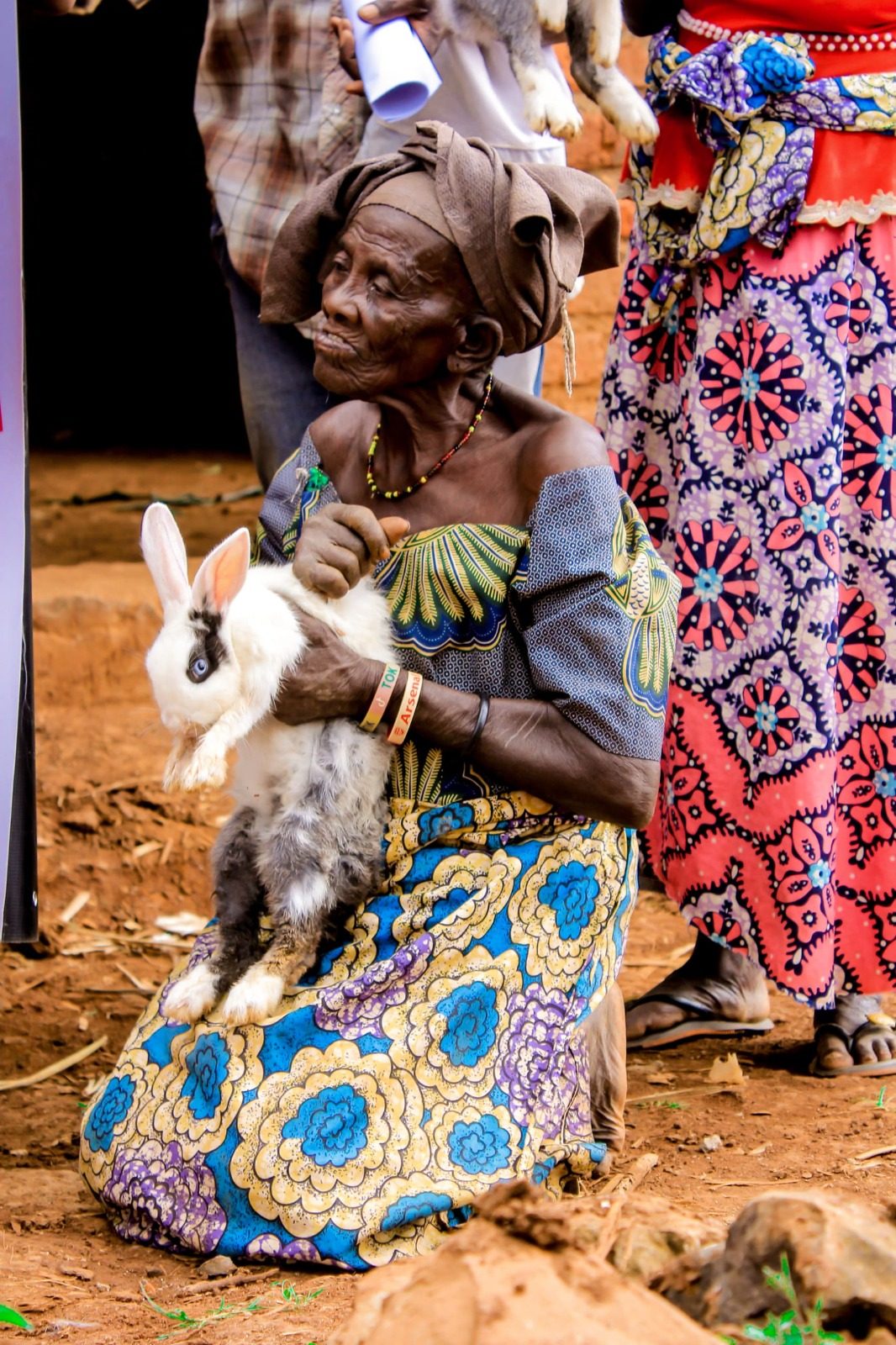
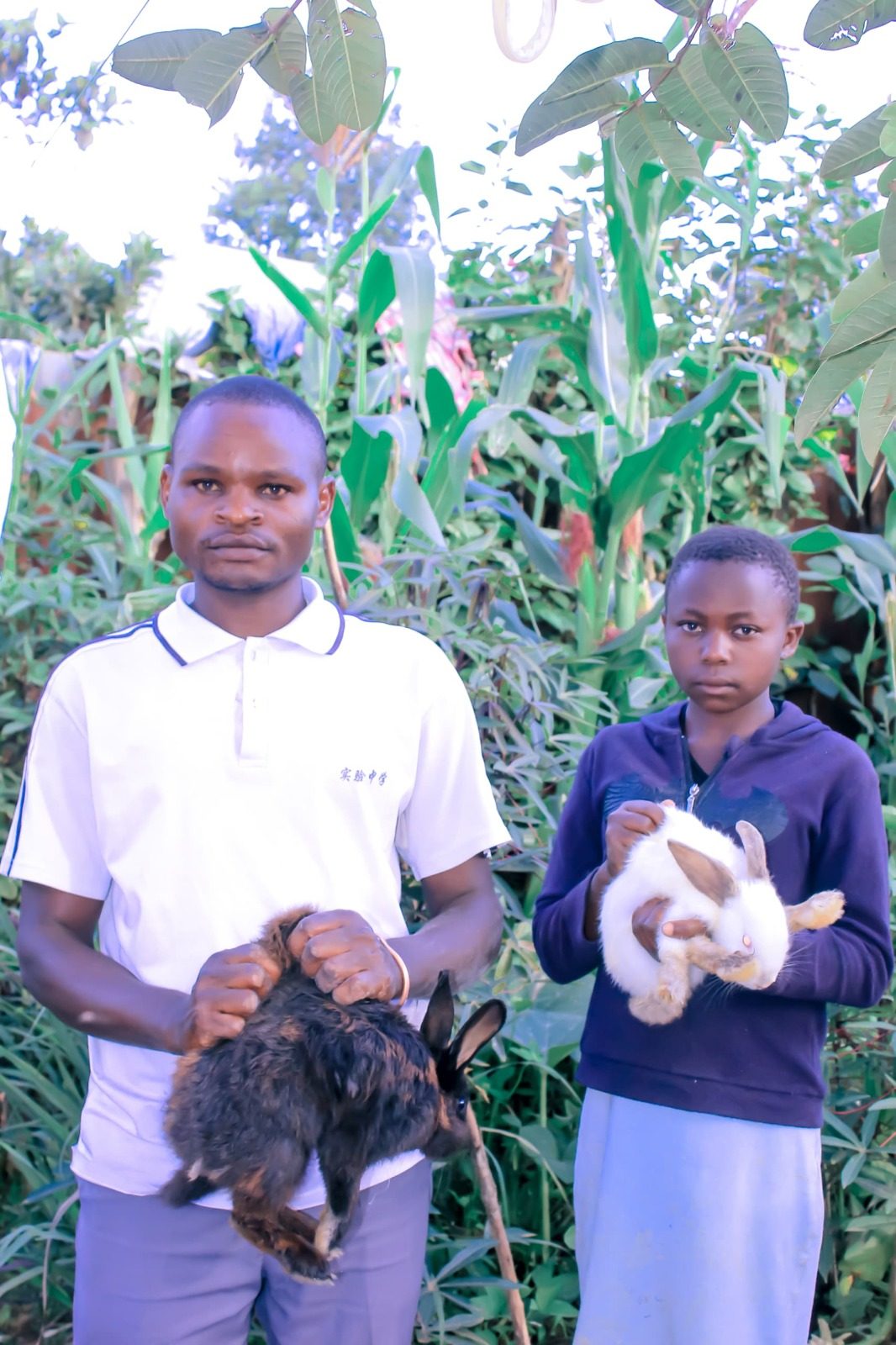
Field photographs
Youth training in the communes of Ibanda, Bagira, and Kadutu, with COSAWOH.
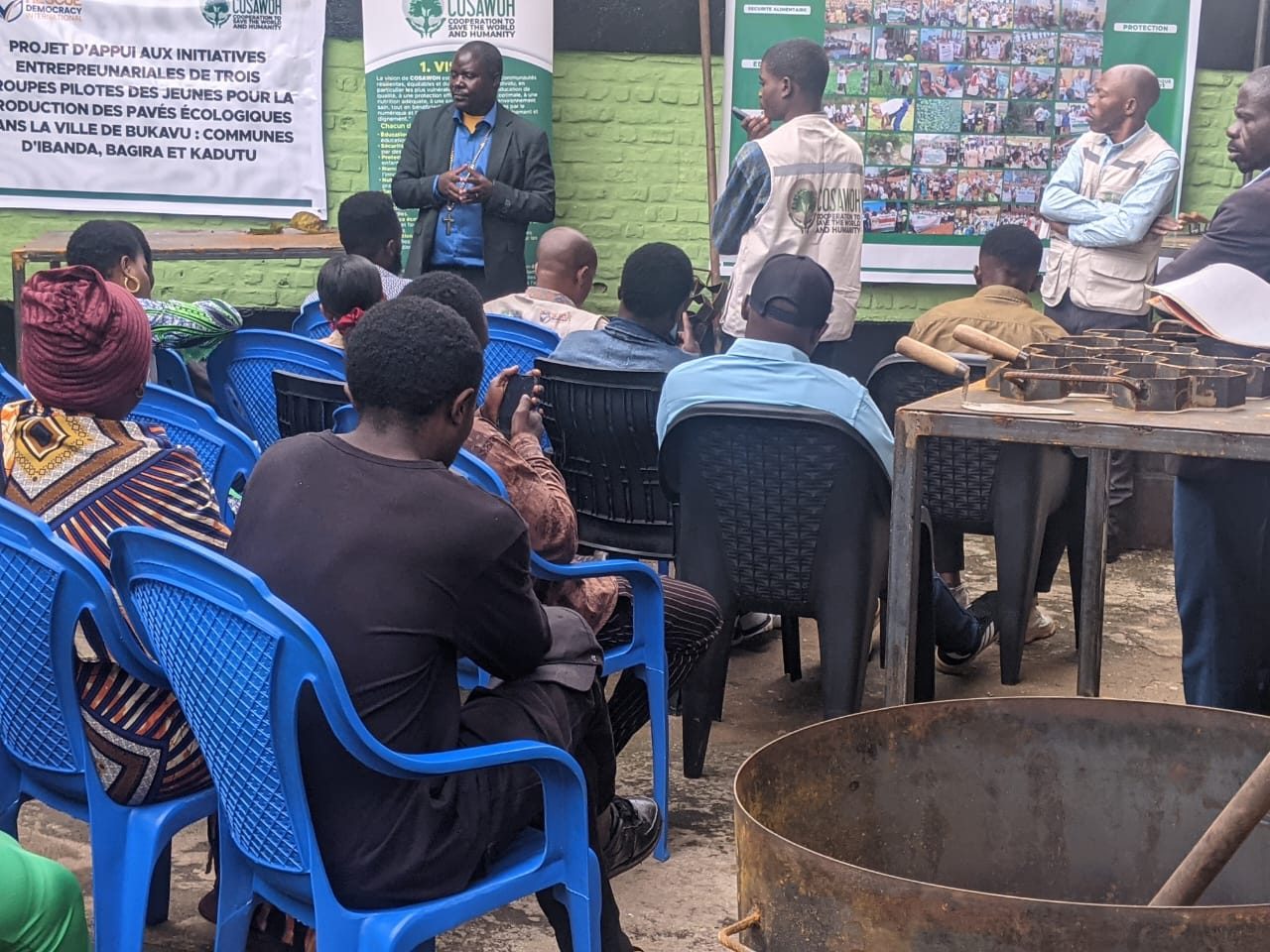
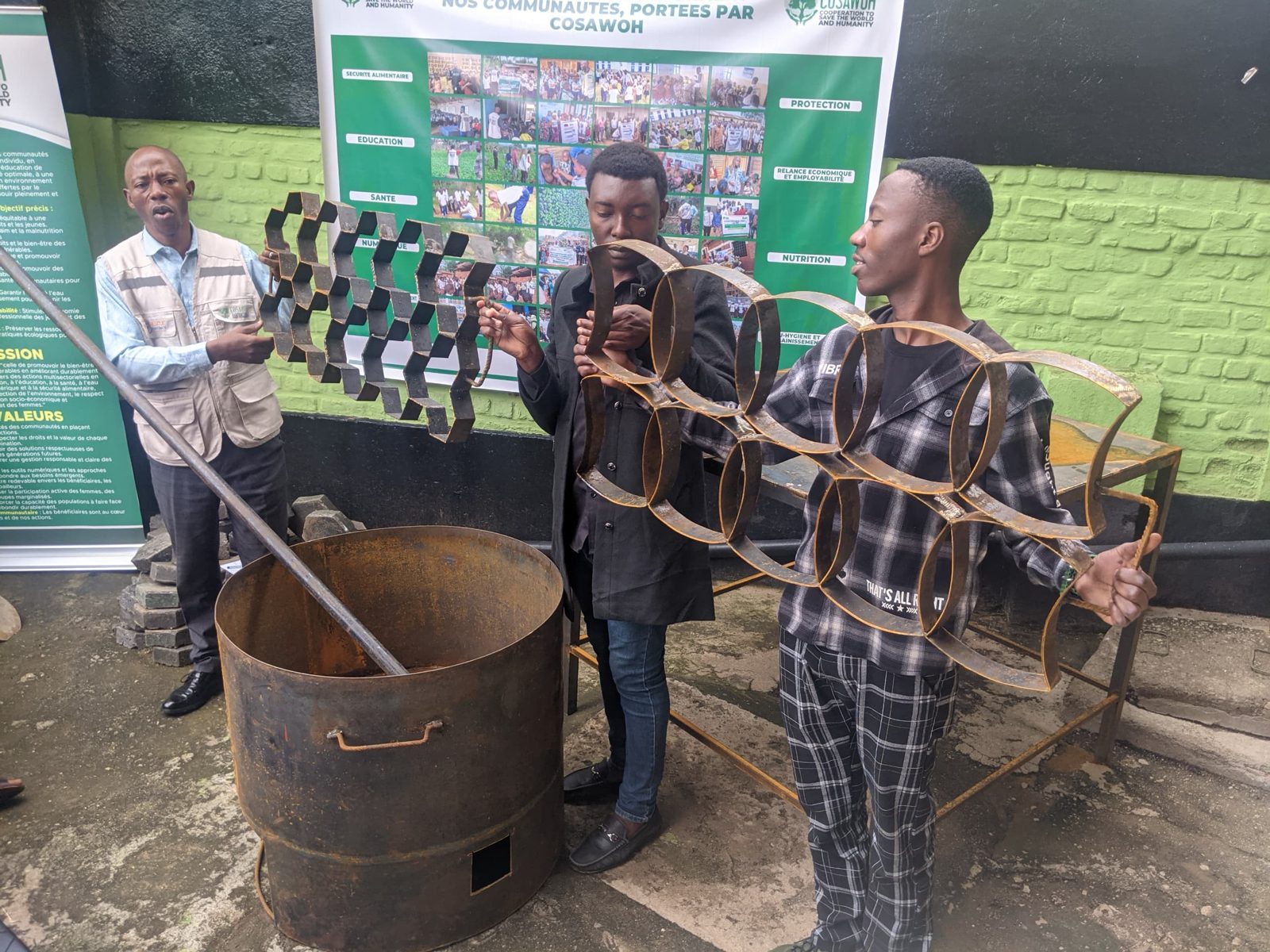
Field photographs
A street-front pilot depot signed by Rescue Democracy International, TC Barter, and CEFEVO Renové.
Field photographs
Dates and partners below are the ones printed on the banners, not estimates.
Field photographs
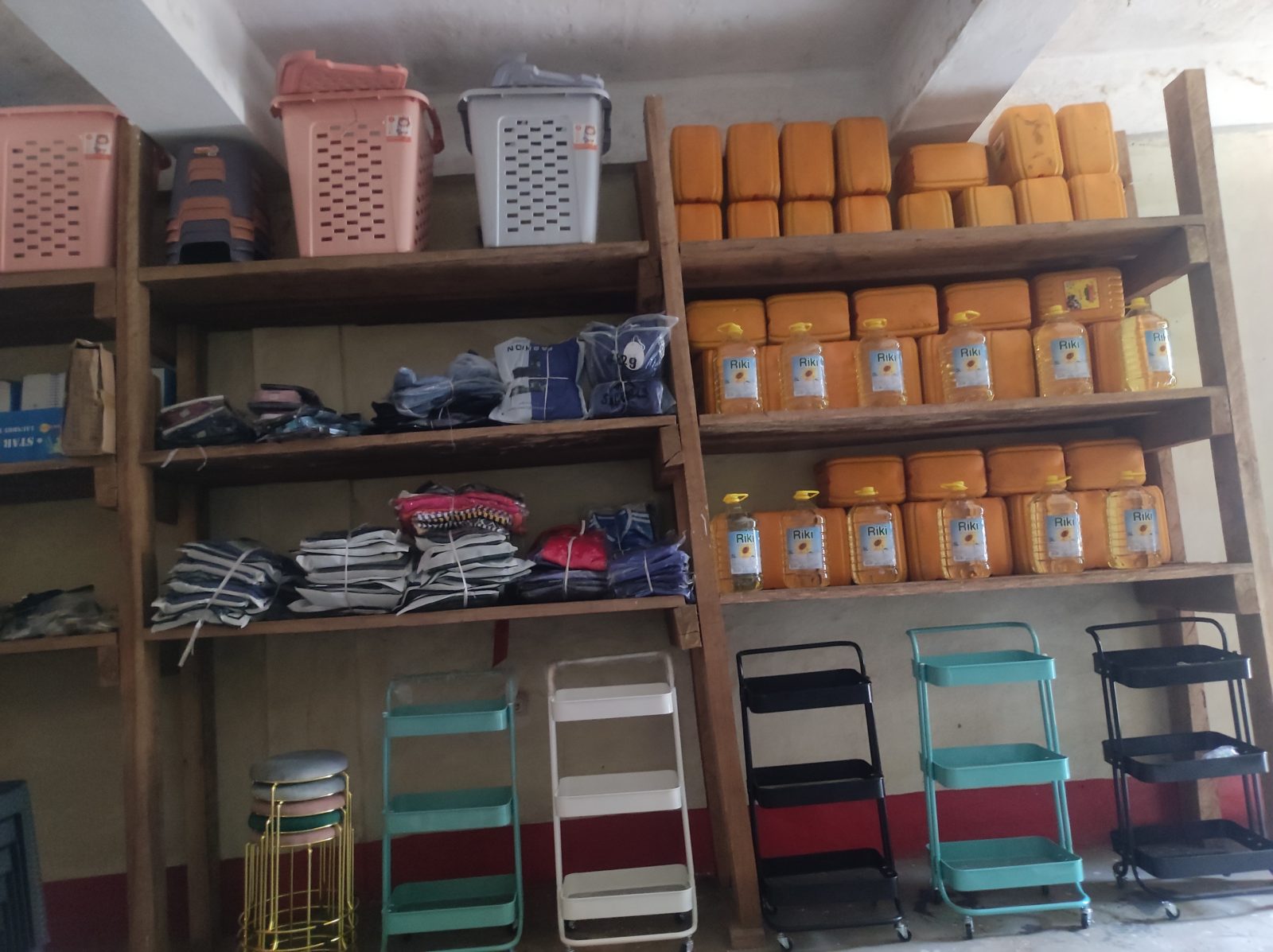
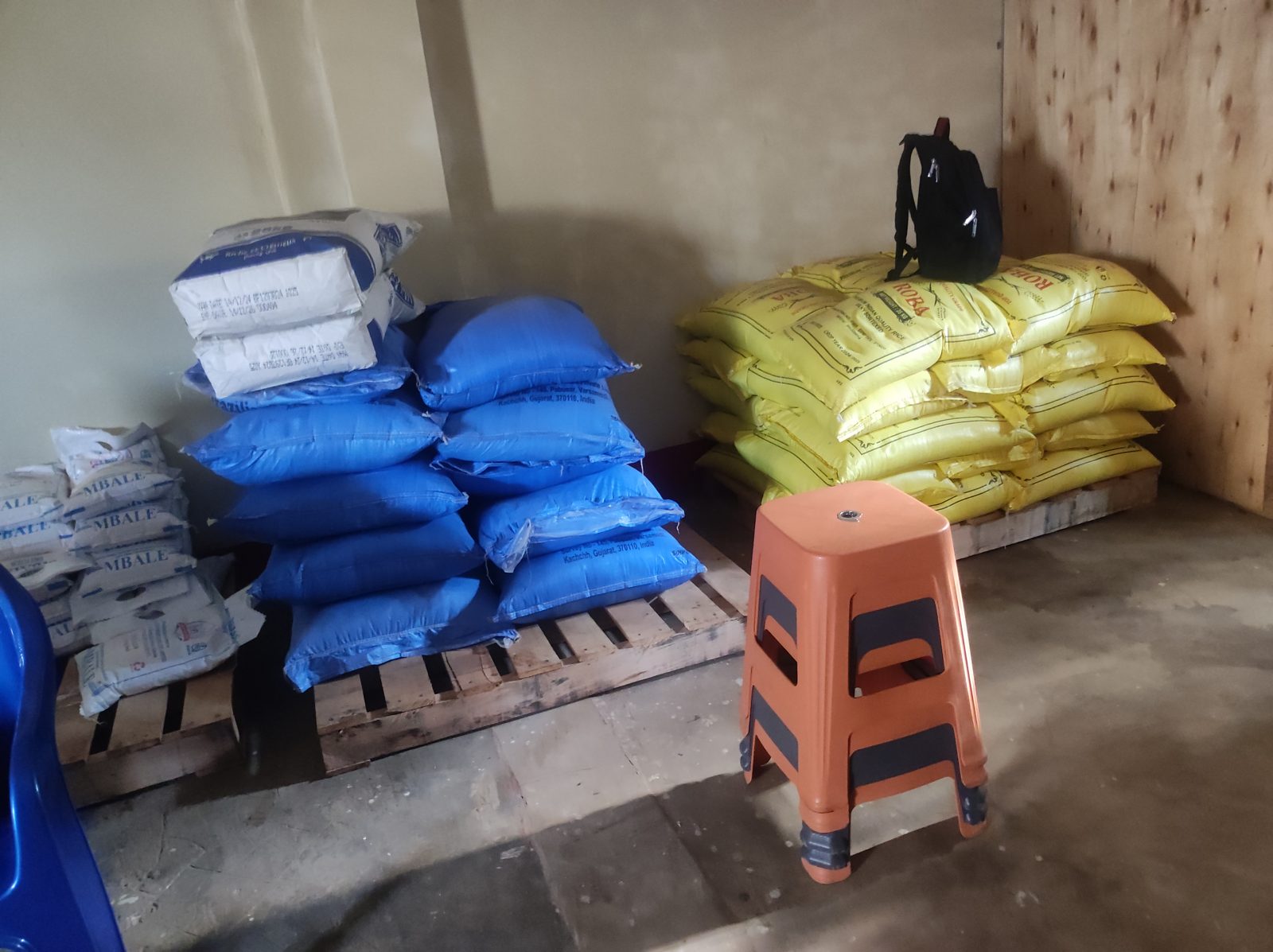
Warehouse stock and the pale bed it comes from. These are not photographs of the Kajeje concession.
Films
Longer raw camera files in the same Drive folder were left out — duplicates, or files too large to ship. These three are the ones that play here.
About two minutes. A keeper says the rabbits have multiplied and they now have fifty. The banner behind them names a pilot rabbit farm.
Thirty-four seconds inside a goods workplace. The on-screen line is “This is our workplace.”
About three minutes, filmed upright. The titles identify Rogers, a participant from Uganda, Youth Leadership for Democratic Renewal, cohort 2026.
Laboratory
Report MULUNGU/AGCRN/LPM/SCFS/005/2024, Soil Science and Microbiology Laboratory, INERA-Mulungu. Client: Mudekereza concession, Ivumbiro Kajeje, South Kivu. Origin: Kabare / Ivumbiro Kajeje. Marks KAJ 178 to 195. Eighteen composite samples over 36 hectares, mixed from 110 auger cores in the top 20 centimeters of exhausted pasture.
The field note describes irregular, rugged ground, herbaceous cover of Imperata cylindrica and Cynodon dactylon, light brown color, and a highly evolved soil dominated by kaolinitic clay. Particle-size analysis was not done. The report says the full number sheet is in an Excel file that is not in this packet, so the ranges below are the ones written in the narrative — not a retyped lab table.
Signed at Mulungu on 17 September 2024 by François Tete Tshisinda, Fabien Katambu Kabuyaya, Philemon Kindugu Baharanyi, and François Mashauri Chishanga.
pH in water. The lab calls the ground poor and chemically unsuitable for maize, sorghum, beans, soybean, cowpea, cassava, potato, and sweet potato.
Organic matter, spread unevenly. The report ties that spread to steep ground above 2,000 meters.
Exchangeable cations are low across the concession and need correction.
Called a limiting factor, far below the 25 mg P₂O₅/kg optimum they use. They suggest 100 kg DAP or TSP per 10,000 m² — two 50 kg bags, about 23 kg P₂O₅.
That is a diagnosis of acid, leached pasture soil. It is not a claim that Utah Seabed pellets have already been spread on this concession, and it is not a medical or food claim.
“Conservation programs including tree planting, regenerative farming, soil remediation, habitat restoration, and community clean-ups.”
RDI does not support activities related to political campaigns, terrorism, rebellion, insurrection, and war. Utah Seabed does not claim a completed field trial or a medical outcome from the Kajeje soil.
info@rescuedemocracyintl.org
3111 Camino Del Rio North, Suite 400, San Diego, CA 92108
+1 619-528-2262
Also listed

Established to alleviate human suffering and improve quality of life. Public programs center on restoring soil health and reclaiming food sovereignty with Indigenous nations, using mineral-rich natural amendments and regenerative practice.
Open their page
Education, healthcare, nutrition, clothing, and shelter for children and young adults in Haiti — inspired by needs after the January 12, 2010 earthquake.
Open their page